
On this page
Comparing a dental treatment plan in Turkey becomes easier when you separate your goals, the clinical recommendation, the appointment sequence and the total commitment. Two proposals may use similar words while describing different work. Use these questions to make the differences visible and to prepare a focused discussion with the dentist you choose.
What is the plan trying to solve?
Begin with your own priorities. You might want to replace a missing tooth, improve the appearance of a front tooth, understand a recurring problem or explore alignment. Write those concerns in everyday language. Ask the dentist to connect each proposed treatment to a finding from your assessment and explain which issues need attention first.
If a proposal appears broader than your original request, ask why. There may be a reason to investigate additional teeth or address another concern, but that reason should be understandable. Request a tooth-by-tooth explanation where several teeth are included. Keep a copy so you can review it calmly after the appointment, with the options and any unanswered questions beside it.
Also ask what can reasonably remain untreated for now and what would need monitoring. A consultation should leave you better able to decide, including deciding to seek more information before proceeding. An appointment date is not a substitute for understanding the plan.
Which alternatives were considered?
Ask the dentist to explain the alternatives relevant to your situation, including their limits. A discussion about cosmetic dentistry in Istanbul may involve shade, alignment, existing restorations and the condition of the teeth. These are related concerns, but the same treatment does not address all of them in the same way.
For proposed crowns or veneers, ask how existing tooth structure would be affected and what future maintenance might involve. If an implant is recommended, ask why that option is being considered and what clinical information is still needed. For orthodontic treatment, clarify who would monitor progress and how appointments could be managed across countries.
You do not need to memorise every technical term before asking for a clearer explanation. Request plain-language answers and, when useful, a written summary or diagram. Our dental techniques and treatment planning page can help you organise the topics you want the dentist to cover.
What exactly is included in the quotation?
Compare proposals against the same checklist. Note the teeth involved, the proposed work, diagnostic appointments, any temporary restorations, the material information provided and planned reviews. Ask which figures are provisional and which decisions depend on the in-person examination. A remote estimate should be clearly distinguished from a confirmed clinical plan.
Then separate treatment costs from travel services. Accommodation, airport transfers, extra nights, a companion and a further visit can change your overall budget. Ask how additional work would be discussed and priced before you agree to it. Keep any revision together with the previous version so the reason for the change remains clear.
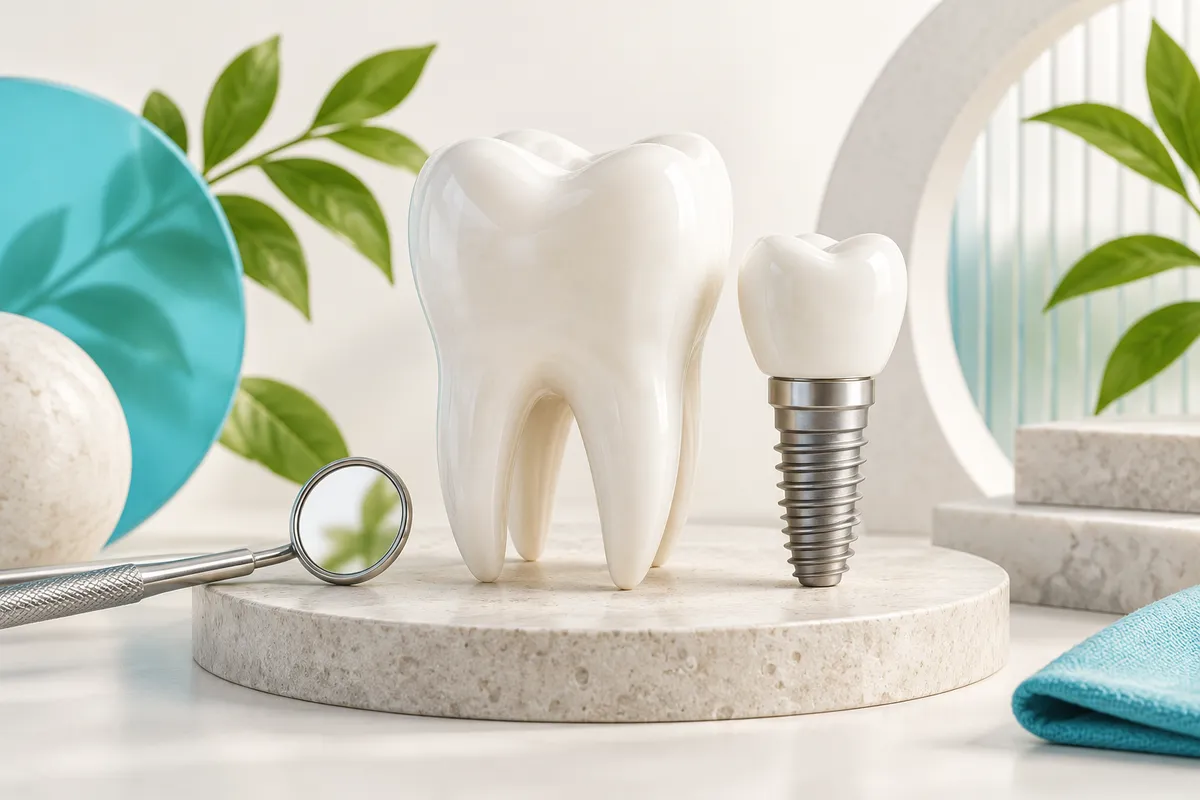
An inexpensive total can be difficult to interpret when it leaves out an important stage. A higher total can also be difficult to assess without knowing what it covers. The useful comparison is between understandable proposals addressing your needs, supported by an explanation from the responsible dentist.
How will the visits fit together?
Ask for the expected appointment sequence rather than a single promise about the length of your stay. Distinguish assessment, preparation, the proposed treatment and review. Confirm whether laboratory work or temporary restorations affect the schedule, and whether a later visit may be needed. The dentist should explain which parts can be estimated in advance and which depend on findings or progress.
If you are travelling with someone, discuss when support might be useful and how appointments could affect your daily plans. Leave room for changes rather than filling every day with activities. Clarify whom to contact if an appointment moves and who can discuss the implications for your accommodation or return journey.
Before paying for inflexible travel, make sure you understand the clinical milestones that determine readiness to leave. General website timelines cannot replace advice from the team responsible for your care. Country-specific preparation is available through dental treatment in Turkey by country.
What happens after I return home?
For dental aftercare, ask which completed work needs review and how the treating dentist will describe it to a professional near your home. The handover should make it possible to identify the relevant tooth or restoration and the current instructions. Clarify when photographs may assist communication and when the dentist expects a direct examination. Retain the records provided by the clinic so a later concern can be discussed in relation to the actual treatment.
Clarify whether adjustments, repairs or additional appointments are included, and under what conditions. If follow-up at home is recommended, discuss how you will arrange it and which documents the local dentist may need. Keep a copy of the treatment summary and relevant material or implant information supplied by the treating team.
Bring these questions to your consultation rather than trying to resolve them from marketing language alone. The Cureista guides help organise the questions; assessment belongs with your treating dentist. Explore the full dental treatment and smile design overview or return to cosmetic dentistry in Istanbul when you are ready to compare your next steps.
Keep a tooth-by-tooth decision record
When a proposal covers several teeth, ask the dentist to identify the work discussed for each one in a format you can understand. Keep the explanation alongside the quotation so a change to one part of the plan is visible. A total number of units does not show whether the proposals address the same teeth or the same objective. If a diagram is used, ask the dentist to explain its notation and retain the current version with your records.

Mark which decisions depend on examination, imaging or another assessment step. If the proposed work changes, request an updated explanation before assuming that the original travel schedule and price still apply. This is especially useful when temporary and final restorations are discussed in separate appointments. The record should identify the purpose of each visit and the questions that need an answer before moving to the next stage.
Finally, note the person responsible for clarifying each outstanding item. A material specification may need the dentist's explanation, while an extra accommodation night belongs with the booking organiser. Bring the specific unresolved question to Cureista so the next conversation can address the actual gap. A clear comparison starts with understanding the proposed care and the practical commitments connected to it.
Practical questions: Compare a dental treatment plan in Turkey
How do I compare dental plans when one dentist proposes fewer crowns?
Align the proposals by tooth number and ask each dentist for the reason behind each crown. Identify teeth included only for appearance and those linked to a clinical finding. The useful comparison is the justification for the difference, not simply a total divided by the number of units.
What question exposes an unclear laboratory charge in a Turkish dental proposal?
Ask: “Which restoration and which laboratory stage does this charge cover?” Request that the answer appears beside the relevant tooth or group of teeth. Then clarify whether a design revision changes the charge; otherwise a separate laboratory total cannot be connected reliably to the treatment you are comparing.
General background on treatment options: NHS: Dental treatments.
To prepare your discussion with Cureista, connect these answers with your next step:
Why should each proposed crown have a reason?
A crown on an existing tooth covers a prepared tooth; it is not the same as an implant replacing a missing tooth root. Bristol Dental School's crown guidance explains crown indications and alternatives that may suit some cases, including fillings or onlays. Ask why full coverage is proposed, what preparation changes the tooth and what limits the alternatives. A cosmetic reference photograph alone cannot establish that a tooth needs a crown.
Does receiving temporary teeth complete implant treatment?
Implant placement and delivery of the final restoration are different stages. Leeds Teaching Hospitals' implant guide describes leaving implants to integrate with bone for two to six months in many cases, followed by restorative appointments. This is a general range from that guide, not your individual timetable or a promise about every Turkish clinic. Ask what you will leave with: a temporary or final restoration, and what determines the next stage.
Three questions linking a quote to assessment
| Quoted item | Ask the dentist |
|---|---|
| Crown on an existing tooth | What finding and alternatives apply to this tooth? |
| Implant-supported crown | Are the implant, abutment, temporary and final crowns included? |
| Final visit before travel | What will you check before departure, and who reviews me later? |

The General Dental Council's advice on treatment abroad recommends checking the treating professional's qualifications and discussing aftercare and remedial costs. These are preparation questions, not verification of a Turkish professional's registration or a facility's accreditation. Discuss them with your dentist before committing to a plan.
Sources checked editorially on 26 October 2026. No qualified clinical review is recorded for this update.

Sources and further reference
General information supports a conversation with your clinician. Individual assessment and instructions remain with the treating team.