
On this page
Cosmetic dentistry in Istanbul starts with a conversation about what you would like to change and what your teeth need. A brighter shade, a repaired tooth, better alignment and replacement of a missing tooth are different goals. They may involve different clinicians, preparation, visits and long-term care. Cureista helps you organise that conversation with collaborating dentists before you commit to a travel schedule.
Define your smile goals in practical terms
Describe the details that concern you: colour, a visible gap, an uneven edge, discomfort when chewing or a restoration you would like assessed. Explain which goal matters most. Photographs can help communicate your preferences, but the dentist needs an appropriate examination before confirming treatment. A reference photograph is a starting point for discussion rather than a promise that another person's smile can be reproduced.
Ask how the proposed change would affect your existing teeth, your bite and future maintenance. Keep a written record of the explanation. If several options are offered, compare what each one involves and what happens if you decide to postpone treatment. Your priorities should be visible in the final plan.
Compare whitening, veneers, crowns and alignment carefully
Technique names should lead to questions about suitability. Ask which concern each proposed procedure addresses, whether it changes tooth structure and what alternatives the dentist considered. A recommendation for multiple restorations should explain the reason for each tooth. For alignment, ask whether an orthodontic assessment is appropriate and how ongoing appointments would work if you live outside Turkey.
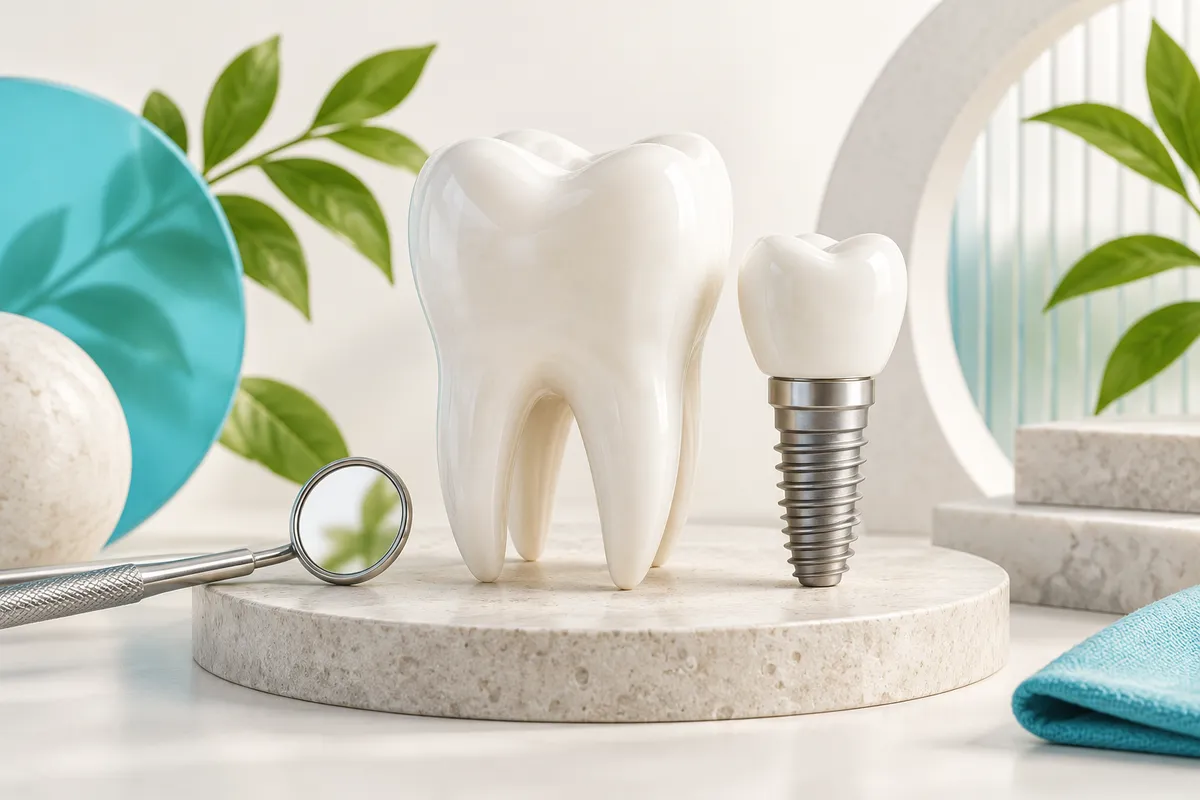
Dental implants concern replacement of missing teeth; they should not be presented as an interchangeable choice for every cosmetic concern. Ask what records and clinical findings support a recommendation. The dental techniques and planning page helps you organise these questions before an appointment.
Understand the cost of cosmetic dentistry in Istanbul
A useful estimate identifies the proposed treatment for each tooth, the material where relevant, diagnostic work, temporary restorations and planned reviews. It distinguishes dental fees from accommodation and transport. Ask how the estimate may change after an examination, and who will explain an alternative before additional work is agreed.
An attractive package total is easier to assess when its components are clear. Ask whether a second visit is expected, what happens if treatment needs more time and which follow-up services are included. Keep the estimate together with your treatment plan rather than comparing totals in isolation.
Start with the change you want to see
A useful smile brief describes an everyday situation. Perhaps you hide your teeth in photographs, dislike the contrast between an old crown and neighbouring teeth, or want to understand a gap that has bothered you for years. Write that situation in your own words before browsing treatment names. It gives the dentist a starting point and helps you recognise whether the eventual proposal actually answers your concern. A comprehensive package can still miss a small, specific priority.
Separate appearance from symptoms. Colour, tooth length and symmetry belong in one part of the brief; pain, bleeding, broken work or difficulty eating belong in another. Do not leave symptoms out because you are enquiring about cosmetic dentistry in Istanbul. The assessment may identify a health issue that changes the order of treatment. Describe when a symptom started and what you notice, without trying to diagnose the cause from photographs or social media examples.
Use three priorities rather than a long wish list. For example, you might prefer a modest colour change, preservation of your existing teeth wherever suitable, and a plan that can be maintained near home. Another patient may prioritise repairing damaged work before considering an aesthetic change. Neither brief selects a procedure. Both help the dentist explain trade-offs and give you a basis for deciding whether the proposal feels proportionate to your aims.
- Record the feature you want assessed and why it matters to you.
- Mention symptoms and existing restorations separately from cosmetic preferences.
- Describe the result you would consider acceptable, including what you want to keep.
- Identify practical limits such as repeat travel, time away from work and ongoing appointments.
What the different dental options are designed to change
Treatment names can sound interchangeable when they appear in a package menu. They represent different decisions. Changing the colour of natural teeth, covering a tooth surface, restoring a damaged tooth, moving teeth and replacing a missing tooth have different purposes. Use the following comparison to organise a consultation, then ask the examining dentist which options are relevant to your mouth. The table is a conversation guide and does not establish eligibility.
| Main concern | Route to discuss | A useful question |
|---|---|---|
| Colour of natural teeth | Dentist-supervised whitening | How would existing restorations affect the colour plan? |
| Shape or surface appearance | Veneers or another suitable restorative approach | What tooth preparation would be involved? |
| A weakened or damaged tooth | Assessment for a crown or another restoration | Why is this restoration appropriate for this tooth? |
| Tooth position or bite | Orthodontic assessment | Where would monitoring and retention take place? |
| A missing tooth | Assessment of replacement options, including implants where suitable | What stages and maintenance would each option require? |
The distinction between veneers and crowns is particularly important. The American Dental Association describes a veneer as a covering for the front of a tooth, while a crown covers the tooth more fully. These terms should be used accurately in your written proposal. If an offer uses “veneers” for every restoration, ask the clinician to specify the intended restoration for each tooth. ADA guidance on veneers.

One mouth can contain several different needs. A plan may reasonably discuss different approaches for different teeth, but the explanation should remain understandable. Avoid judging quality by whether every tooth receives the same material or procedure. Instead, look for a clear connection between a finding, the proposed intervention and your stated goal. Where that connection is missing, put a question mark beside the item and resolve it before agreeing to irreversible work.
Teeth whitening in Istanbul and the rest of your smile
Whitening changes the colour of natural teeth; it does not lighten crowns, dentures or implants in the same way. The NHS also describes temporary sensitivity and irritation among possible side effects. A dentist should check oral health and suitability before treatment. These points make an assessment important when your visible smile includes a mixture of natural teeth and restorations. NHS guidance on teeth whitening.
Prepare an inventory of existing work if you know it: an upper front crown, a filling visible when you smile, or a restoration whose material you cannot identify. You do not need to know every technical detail before enquiring. Tell the dentist what you know and mark the rest as uncertain. This is more helpful than assuming that a single whitening appointment will make every visible surface match a reference photograph.
Ask how colour choices would be coordinated if the plan includes both whitening and new restorations. Request an explanation of sequence and review rather than setting your own interval between procedures. Your travel schedule should follow that explanation. If a desired shade cannot be achieved appropriately with the proposed approach, you should understand the alternatives and the option of accepting a smaller change. A brighter result is not a reason to lose sight of your original priorities.
Veneers in Istanbul: understand the commitment
Veneers can involve removal of enamel, and the ADA describes the treatment as irreversible. Porcelain and composite options have different characteristics, including repair and maintenance considerations. Existing decay or gum problems need attention before veneer treatment, and some bite or grinding situations may affect suitability. A veneer can later need repair or replacement. Keep these clinical considerations in the consultation rather than treating veneers as an accessory selected only by shade. ADA veneer information.
A practical question is how much of your proposed result depends on changing tooth shape rather than colour alone. Ask the dentist to show which teeth would be treated and why. If a broad smile design is suggested, request an explanation of the scope: which teeth are visible in your normal smile, which are included for a clinical reason, and which are optional. The number in a package should not substitute for that discussion.

Consider the future as well as the first photograph. Where would you seek an assessment if one restoration chipped after you returned home? Would the clinic provide a treatment record and material information? How would a repair, replacement or new examination be priced under the written terms? These are useful questions even when you feel confident about the proposed appearance. They help you compare plans as continuing dental care rather than a one-time purchase.
Crowns and existing restorations deserve tooth-specific explanations
The ADA describes crowns as restorations that cover teeth and may be used for weakened or broken teeth, large fillings with limited remaining tooth structure, and other restorative situations. That does not mean that a crown is the right answer for every tooth that looks uneven or discoloured. Ask the examining dentist to explain the indication in your individual case. ADA information on crowns.
If you already have crowns, identify what you want assessed before asking for a complete replacement set. Your concern might be appearance, comfort, an edge you can feel, or a change noticed recently. A new plan should distinguish findings about the existing work from your aesthetic preferences. It should also explain what is still uncertain before the dentist examines the teeth and supporting tissues. A photograph of an old restoration cannot answer every relevant question.
Request a simple annotated plan. It can use the dentist's tooth numbering system alongside a plain-language description such as “upper right back tooth.” This reduces confusion when you compare a diagram with your own reflection. If the proposal changes after examination, retain the earlier version and ask for a dated replacement. You should be able to identify which teeth have been added, removed or assigned a different treatment without decoding a long message thread.
Orthodontic techniques in Turkey require continuity
Orthodontic treatment concerns tooth position and bite, and may involve ongoing adjustments followed by retention. The NHS describes braces as a way to straighten teeth and address alignment problems, including in adults. The choice of appliance and monitoring arrangements belongs in an orthodontic assessment. A removable-looking appliance should not be assumed to make the whole process suitable for a brief visit abroad. NHS information on braces.
For an international patient, the key planning question is who will follow the treatment over time. Ask where routine appointments would occur, who would assess an unexpected problem, and whether any clinician near home has actually agreed to participate. A suggestion that you can “see any dentist later” is not a completed handover arrangement. If care is to be shared, the responsibilities and records need to be clear to the professionals involved.

Discuss your availability honestly. Frequent travel for work, a possible move, or limited access to appointments at home may affect the practical suitability of a proposal. You can still seek an assessment and understand your options without committing immediately. Comparing orthodontic treatment with a restorative cosmetic proposal also requires attention to their different purposes and consequences. Ask for a reasoned explanation of both where relevant, rather than choosing whichever can be fitted into your holiday dates.
Missing teeth and cosmetic dentistry are related but different decisions
Dental implants replace tooth roots and can support crowns, bridges or dentures. Guy's and St Thomas' describes an assessment and staged treatment, with additional procedures such as bone grafting needed in some cases. An implant plan therefore involves more than selecting the visible tooth that appears in a smile photograph. The number of stages depends on clinical assessment. Guy's and St Thomas' dental implant overview.
If a missing tooth is part of your concern, ask the dentist to separate the replacement discussion from unrelated cosmetic changes. You may want to know which parts of the proposal address chewing or a gap and which parts change other teeth for appearance. This separation helps you understand the budget and the sequence. It also makes it easier to discuss whether some choices can be deferred while a more immediate dental need is assessed.
Clarify what would be present between stages. Terms such as “new teeth” or “same-day smile” need a precise explanation of whether they refer to temporary or definitive work in your proposed plan. Request the expected review points, the criteria for moving to the next stage and any anticipated return journey. Do not infer from a photograph that another patient's timing or restoration type will apply to you.
Materials, laboratories and the limits of a brand name
Material names can help identify what is proposed, but they do not explain the whole clinical decision. Ask why a particular material has been selected for a particular location and restoration. The response should connect the recommendation to your needs and the dentist's findings. A premium-sounding label is difficult to evaluate when the estimate does not even distinguish veneers from crowns or temporary work from the final restoration.
Keep the discussion practical. You can request the material description that will appear in your records, the laboratory stage in the schedule, and the process for checking the restoration before completion. Where a device or component has identifying documentation, ask what you will receive. You do not need to become a laboratory technician to compare proposals; you need enough information for informed consent and for another clinician to understand what was placed.

If a material changes, ask for the explanation before approving the revised plan. The relevant questions include whether the change affects the agreed appearance, treatment sequence, fee or maintenance instructions. Record the new choice in the current version of the treatment plan. This is especially useful when a coordinator translates messages between appointments: the final clinical record should not depend on remembering an informal conversation about an alternative product.
Previewing a smile without mistaking a preview for a guarantee
Some consultations may use photographs, drawings or a proposed design to discuss appearance. Establish what the preview represents and what it cannot establish. Ask whether it is a communication aid, a proposed shape for further assessment, or a step in a specific clinical workflow. An attractive image does not by itself confirm that a treatment is suitable, achievable or acceptable to you once translated into real dental work.
Look at the whole expression rather than only a close-up of teeth. Explain whether you prefer subtle variation or a more uniform appearance, and which features of your current smile you want to preserve. If you bring reference images, identify the particular detail you like. Saying “I like the edge shape” communicates more than asking to copy an entire smile belonging to someone with different teeth and facial proportions.
Discuss when you will have an opportunity to give feedback, who will record it and which changes remain possible at each stage. A useful approval conversation includes your questions about appearance and the dentist's assessment of function. Keep a written note of unresolved points. Approval should be a considered decision after explanation, not a hurried response because transport has arrived or because a return flight is approaching.
How to compare the cost of cosmetic dentistry in Turkey
Start with the scope, then examine the price. Two estimates can have different totals because they include different teeth, procedures, materials or review arrangements. They may also make different assumptions about findings that have not yet been confirmed. Place the proposed treatments side by side before interpreting a lower total as better value. When an item is unclear, request clarification rather than entering zero in your comparison spreadsheet.
| Cost area | What to identify | Why it changes the comparison |
|---|---|---|
| Assessment | Included examinations and any separately priced investigations | Remote estimates may remain provisional |
| Dental treatment | Tooth, procedure, material and quantity | Similar package names can hide different scopes |
| Temporary work | Whether it is expected and included | The visible result between stages may differ |
| Reviews | Scheduled checks and adjustment arrangements | A review may affect the length of your stay |
| Travel | Hotel, transfers, companions and repeat journeys | Dental fees alone are not the total budget |
| Later care | Written repair, replacement and follow-up terms | Responsibilities continue after departure |

Keep the currency and validity date visible. Ask whether taxes or administrative charges are included where applicable and how payments correspond to treatment stages. Any exchange-rate calculation you make is a budgeting exercise, not a fixed future price. If the proposal is supplied in one currency and your savings are in another, leave room to review the actual conversion before paying. Avoid relying on an old screenshot of a promotional offer.
A quote should also explain what happens when the examination changes the scope. Request a process for discussing the finding, alternatives and revised fee before further treatment is agreed. This can matter more than a small difference between initial estimates. You should understand which charges relate to work already performed, which relate to optional work and which remain contingent on decisions that have not yet been made.
A hypothetical comparison of two dental proposals
Consider an invented example with no market prices. Proposal A lists several restorations and includes temporary work and two planned reviews. Proposal B lists fewer restorations, includes one review and leaves temporary work unspecified. The totals cannot be compared fairly until the scope is reconciled. The point is not that one proposal is preferable; the missing information prevents a useful decision about either.
Create three columns: confirmed, provisional and absent. Put each treatment, appointment and travel service in the appropriate column for each offer. Then send a short clarification request covering the differences. You may discover that the plans pursue different goals, or that the dentist intentionally recommends a smaller intervention. That is a clinical distinction to understand, not a gap to fill automatically by adding more teeth to the cheaper proposal.
For budgeting, use your own numbers only after the services are defined. Add the dental estimate to travel, accommodation, companion expenses and any expected repeat visit. Keep a separate reserve for changes whose cost is not yet known. This reserve is a planning choice, not a predicted complication rate or a medical recommendation. The exercise is useful because it makes assumptions visible before they become commitments.
Istanbul travel planning should follow the treatment sequence
The practical advantage of a well-organised trip is having enough time for the appointments your plan actually requires. Confirm the location of care before choosing accommodation. Istanbul travel times depend on where you stay and where appointments take place, so avoid building a schedule from a city-centre hotel description alone. Request clear addresses and transport arrangements for each visit, especially if assessment and another stage occur at different locations.
Leave space for communication and review. A consultation may lead to a revised proposal, a further assessment or a decision to defer treatment. Consider how flexible your flights and accommodation are before making non-refundable bookings. The aim is to protect your ability to make a considered choice after examination. A trip that allows no room for a change of plan can turn a clinical question into a travel deadline.
Discuss work and companion needs early. If someone is travelling with you, clarify whether their transport and accommodation are included or separate. If you plan to work remotely, avoid assuming every appointment will fit around a fixed meeting schedule. Ask the clinical team about the practical demands of the proposed treatment, then organise your activities accordingly. Cureista can help assemble these logistical questions for the collaborating dental team.
Consent, translation and who makes each decision
A coordinator can help arrange appointments, collect your questions and explain administrative details. Clinical recommendations and consent discussions need the responsible dental professional. Before treatment, know who will examine you, who will carry out the proposed work and who will answer a clinical concern afterwards. A familiar contact person is helpful, but their availability should not obscure the identity and responsibilities of the clinicians involved.
If you prefer a language other than the clinician's consultation language, request an appropriate communication arrangement. Explain which language you understand best for medical decisions, even if you can manage travel conversations in English. Ask for unfamiliar terms to be explained plainly. A companion may support you, but you should still have the opportunity to ask questions and express preferences yourself, including privately when you wish.
Use a final understanding check before deciding. In your own words, describe the proposed work, the main alternatives, the uncertainties and the expected follow-up. If you cannot explain a major part, ask to revisit it. You can also request time to consider a revised plan. Choosing to postpone an elective cosmetic decision is a valid outcome of an assessment, particularly when the findings differ from the assumptions behind the original enquiry.
Aftercare starts with a useful handover
Plan the handover before departure rather than trying to reconstruct your treatment from receipts later. Ask for a summary of the work completed, the teeth involved, relevant material or component details, the clinician's instructions and the review schedule. Keep diagnostic records supplied by the clinic with that summary. Another dentist should be able to understand what was done without relying solely on your memory of a long appointment.
- Keep the final treatment plan and the record of completed treatment together.
- Separate routine follow-up instructions from guidance about an unexpected concern.
- Save the clinical contact route and the arrangements outside normal opening hours.
- Clarify where an in-person assessment would take place after you return home.
- Retain written terms for any proposed repair or replacement service.
A remote photograph or message can start a conversation, but it does not guarantee that a concern can be resolved remotely. Ask how the team decides when an examination is needed and how they communicate with a dentist near you when appropriate. Avoid assuming that a broad promise of “lifetime support” includes every examination, travel expense or replacement. The written scope is what allows you to budget and organise continuing care realistically.
When a dental concern should take priority over travel

A suspected dental abscess needs urgent dental assessment. The NHS identifies difficulty breathing or swallowing, substantial mouth swelling and eye-related symptoms among situations requiring emergency help. If such symptoms occur, seek local urgent or emergency care rather than waiting for an overseas cosmetic appointment or a coordinator's reply. This is separate from routine planning for a future smile consultation. NHS dental abscess guidance.
For less urgent questions, describe the concern accurately and let a clinician determine the appropriate next step. Do not use a scheduled trip as a reason to ignore a change in symptoms. Equally, do not assume an online photograph can establish whether an old restoration needs replacement. Keeping clinical assessment separate from travel sales allows you to make arrangements around the care you need, including care close to home when that is appropriate.
Check promotional claims against a written proposal
Marketing photographs and short reviews can help you identify questions, but they are incomplete evidence for your own treatment decision. Ask whether an image shows temporary or completed work, what treatment it represents and whether any editing affects the comparison. Even an authentic result from another patient does not predict your outcome. Your decision should rest on an individual assessment and an understandable plan, not a collection of attractive images.
Be precise about credentials and responsibility. Request the actual treating clinician's details and the facility information relevant to your care. If an accreditation, authorisation or professional qualification is mentioned, ask how it can be verified and what it covers. A general statement about a destination or an intermediary is different from documentation about the professional performing your treatment. Keep verified information with the plan rather than relying on a logo shown in an advertisement.
Read service terms with the same care as the clinical proposal. Check who receives payments, who supplies dental care, how cancellations are handled and where concerns are addressed. If several organisations appear in the documents, clarify their roles. This does not require a confrontational conversation; it is a normal part of arranging treatment across borders. A clear division of responsibilities helps everyone communicate consistently if the schedule or treatment changes.
When two dentists recommend different approaches
Different recommendations are a reason to understand the reasoning, not to choose by the length of the treatment list. First check whether both clinicians have reviewed comparable information. One proposal may follow an examination while another relies on a few photographs. One may address a damaged tooth, while the other assumes your priority is a broad aesthetic change. Write down these differences before asking which plan is more appropriate.

Create a short list of the actual disagreements. They might concern the teeth included, whether an existing restoration can remain, the order of treatment or the need for another assessment. Ask each clinician to explain their recommendation and the alternatives they considered. This is more productive than forwarding a competing price and asking for a match. The response should help you understand the dental decision, not merely produce a revised discount.
If a major difference remains unresolved, you can seek another professional opinion with your records. Explain your priorities consistently so that each assessment answers the same question. Do not omit a symptom or a previous recommendation because it complicates the comparison. The aim is to make the available evidence more complete and to understand uncertainty, rather than collecting opinions until one promises the result or schedule you prefer.
You may ultimately decide to proceed with a smaller scope, delay the cosmetic part, or arrange additional assessment. Keep a note of the reason for that decision and the questions still open. This makes a later consultation easier to resume and prevents an old provisional estimate from being mistaken for a current agreement. Cureista can help organise the information for discussion, while the clinical recommendation remains the responsibility of the examining dental professional.
Questions patients ask about cosmetic dentistry in Istanbul
Can I request a natural-looking result?
Yes, you can describe the appearance you prefer and the features you want to retain. Bring specific examples of colour, shape or proportion rather than asking to reproduce another person's entire smile. The dentist should explain which aspects are feasible within an appropriate treatment plan. A preference for subtle change can also help focus the discussion on whether a smaller intervention would answer your main concern.
Do all visible teeth have to receive the same treatment?
That is a question for the examining dentist, with a reason for each proposed tooth. A package count should not determine the clinical scope. Ask which teeth need treatment for a dental finding, which changes are optional and how the proposal relates to your priorities. If different procedures are suggested, request a clear explanation of how they fit together and how the final appearance would be assessed.
Can a remote estimate be treated as the final plan?
Establish exactly what has been assessed and what remains provisional. Photographs, records and a conversation may help prepare a consultation, but the clinician may need an examination or further information before confirming treatment. Ask which assumptions could change the scope, fee or schedule. Keep travel arrangements flexible enough to consider a different recommendation, including the possibility that your preferred procedure is unsuitable.
What if I want only an assessment during my first visit?

State that preference when arranging the appointment. Confirm the consultation fee, any proposed investigations and how you will receive the findings. An assessment can help you compare options without committing to treatment on the same trip. If you later proceed, ask whether any records need updating and how the new schedule will be confirmed. The decision should follow the information you receive, not the fact that you have already travelled.
How do I compare a repair promise or warranty?
Request the written conditions, including what is covered, exclusions, duration and the assessment process. Clarify whether travel, accommodation and treatment elsewhere are included. Ask who decides whether a repair or replacement is appropriate and what records are needed. A broad headline cannot answer these questions. Keep the terms that applied when you agreed to treatment alongside your invoices and clinical summary.
Can a dentist at home take over follow-up?
Discuss this with the relevant professionals before assuming a transfer is arranged. Ask what records would be needed, what appointments the dentist at home is willing to provide and how fees would work. A planned handover is more useful than a general suggestion to seek local care later. Some questions may still require input from the treating team in Istanbul, so retain both contact routes.
Turn your enquiry into a focused dental consultation
Prepare a short opening message with your main concern, the change you hope to discuss and any important travel constraints. Include known previous dental work and mention symptoms without attempting to label their cause. You can then ask Cureista to help organise a conversation with a collaborating dentist about suitability, alternatives and the next assessment step. The purpose of the first exchange is to clarify your needs, not to lock you into a package.
Before sending medical records, understand the appropriate channel, who will receive them and why they are needed. Keep your initial enquiry concise and avoid sending unrelated personal documents. Once a clinical assessment process is arranged, follow the team's record instructions. A clear, relevant file makes the consultation easier to prepare and helps keep discussions about your dental care separate from accommodation, transfers and other administrative matters.
Use our dental treatment planning guide to organise the documents and decisions that follow. If you are travelling internationally, the dental treatment by country of departure hub provides the next route through travel preparation. Each page addresses a different part of the journey: choosing what to discuss, understanding the proposed care and planning how that care will fit around your circumstances.
Make room for review and aftercare
Before arranging flights, discuss the likely sequence of appointments and which milestones must be reached before departure. Avoid building a plan around the shortest advertised stay. The responsible dentist should explain what can be decided remotely and what requires an examination in Istanbul.

Bring your questions to Cureista and start a focused discussion about your smile. Read the wider dental treatment in Turkey overview or use our treatment-plan comparison questions to prepare your next step.
Practical questions: Cosmetic dentistry in Istanbul
Can tooth whitening and veneers address the same cosmetic concern in Istanbul?
Ask the dentist to name the concern first: colour, shape, position or damaged tooth structure. Then request an explanation of which options address it and what each would change. A cosmetic label alone does not show whether a proposed intervention matches your priority or involves unnecessary additional work.
Should an Istanbul smile makeover plan explain how existing crowns affect shade choices?
Yes. Point out existing restorations and ask how they are included in the colour discussion. Request a plan that identifies teeth individually and distinguishes retained work from proposed replacements. This helps you compare the intended appearance without assuming every visible tooth will respond to the same approach.
General background on treatment options: NHS: Dental treatments.
To prepare your discussion with Cureista, connect these answers with your next step:
Sources and further reference
General information supports a conversation with your clinician. Individual assessment and instructions remain with the treating team.